UX & Product
Where I got my wings
Virtusa is where my UX journey really took off — four major projects in a year or two, cross-functional teams across time zones, and seniors whose lessons I still use on every project.
Some places teach you a tool. A few teach you how to work. For me, that place was Virtusa.
It’s where I got my wings.
The golden era
Within a year or two at Virtusa, I worked on four major projects. When I look back now, that stretch is the golden era of my UX journey — the time I grew the most, and the fastest.
A few things made it different from anything I’d done before.
Cross-functional teams. I wasn’t designing on my own and handing files over a wall. I worked alongside people from other disciplines every day, all of us owning a part of the same product. Design became a conversation, not a delivery.
Different time zones. Some of the people I worked with were starting their day as mine was ending. That teaches you things quickly: write things down clearly, make your designs explain themselves, and make the overlapping hours count.
It was organised. More than anything, this is what I remember. Clear processes, clear roles, and reviews that actually happened when they were meant to. That structure didn’t slow the work down — it’s what let four big projects move at once.
What my seniors taught me
The biggest thing Virtusa gave me wasn’t the projects. It was the mentorship.
My seniors there taught me techniques I still use every single time I start something new. Two of them shaped me more than anything else.
How to handle a client
My seniors showed me that handling a client starts long before you show them a design:
- Listen first. Understand the business goal behind the request before opening a design file.
- Bring the client into the process. People support what they help shape. Walk them through the thinking, not just the final screen.
- Explain the why. Every design decision should have a reason you can say out loud — tied to the user, the goal, or the data.
- Handle feedback calmly. Feedback is information about what the client is worried about. Find the concern underneath it, and design for that.
Design thinking
Empathise, define, ideate, prototype, test. On paper, everyone knows the stages. What I learned at Virtusa was how to actually live by them on real projects with real deadlines: start from the user’s problem rather than a solution, define the problem properly before jumping to screens, and get something in front of people early instead of polishing in private.
I still work this way. Every time.
A case study from that time
One project from that period I can share publicly is DB Banking — a concept for mobile banking I worked on with my colleagues Danushka Peru Kandage, Dilki Thilakarathna and Anuradha Perera.
We looked closely at mobile banking apps in Sri Lanka, identified the major user experience issues in them, and designed a concept that answers them. We designed it in Figma and published it on Behance in June 2022.
Kudos, Virtusa
I’ll always cherish that experience. So much of how I work today — how I talk to clients, how I frame a problem, how I run a design process — started there.
So: kudos to Virtusa. And thank you to the seniors who took the time to teach a young designer how to fly.
UX & Product
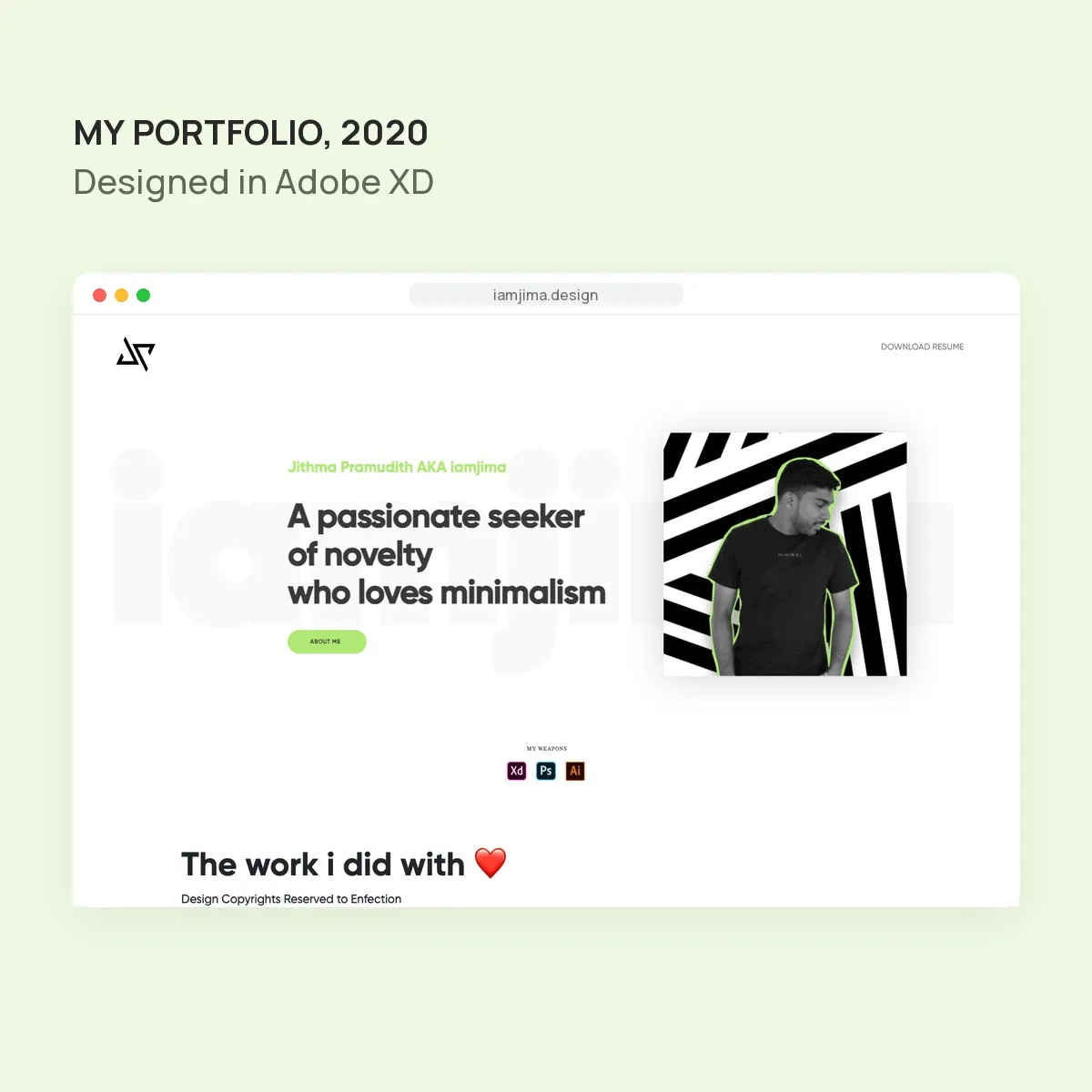
The portfolio that got me my second jobIn 2020 I designed my portfolio in Adobe XD and built it myself. It helped me land my second job. Here it is again, still running — and a little about the tool that started the next step of my journey.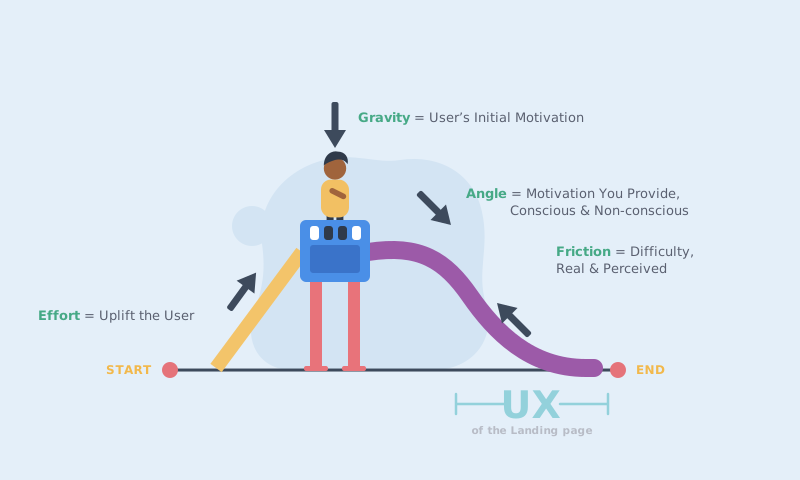
UX & Product
My thought processes before AIWritten in 2020, before AI tools were part of how I work — how I thought about UI/UX, landing pages and lead generation, using the persuasion slide model and a project of mine as the case study.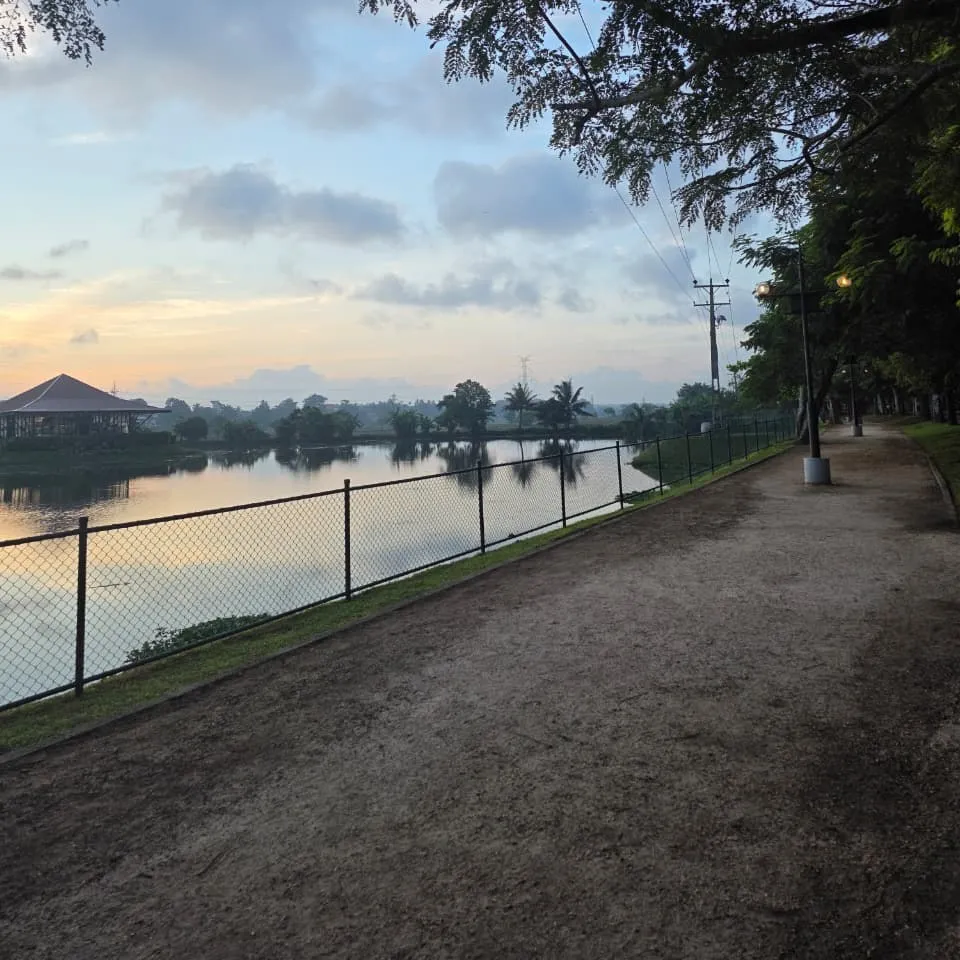
Journal
Fresh Start for the week...A 5.30am walk around the paddy field at Diyawanna Oya — cranes, lotus, kola kenda I didn't drink, and thinking about how much has changed in a year.